
How Arrest Warrants Work in Culpeper County
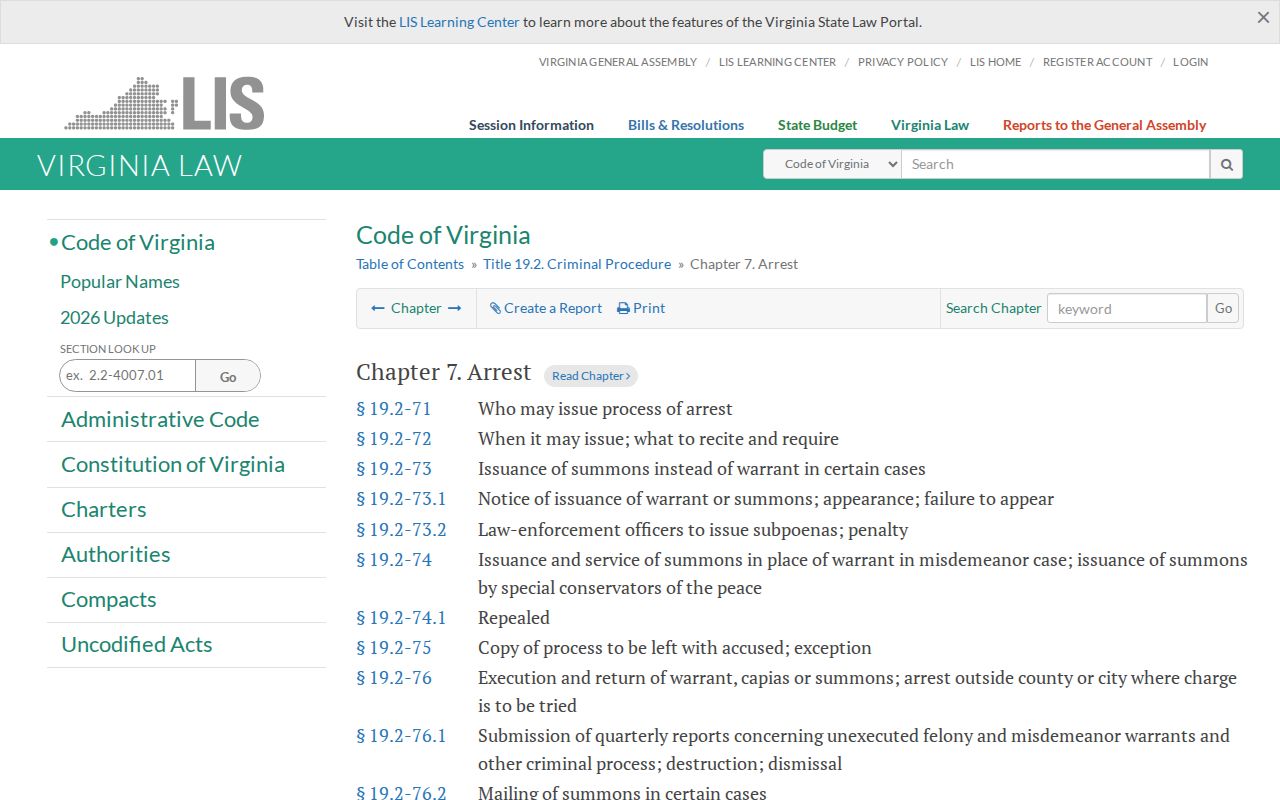
Virginia Code § 19.2-72 sets the front door for Culpeper County arrest warrants: a sworn complaint plus a probable-cause review. Felonies demand a written complaint. If the complainant is not law enforcement, prior authorization must come from the Commonwealth’s Attorney or a law-enforcement agency with jurisdiction. Everything starts with a judicial officer, never a public list. The Virginia arrest chapter spells out what a warrant must contain and command. It names or describes the accused, states the offense, orders arrest and appearance, and carries the issuing officer’s signature. For any real dispute, the signed file and the current court order control.
The Culpeper County Warrant Chain
In Culpeper County, a magistrate usually handles the first criminal process, probable cause, and bail. Judges can issue or act on process within their own court. Circuit Court takes felony indictments and trials; GDC handles adult misdemeanors, traffic, and felony preliminary hearings; J&DR covers juvenile and family matters. The Virginia arrest-warrant statute chapter lays out the statewide rules for a criminal complaint and arrest warrant.
For a Culpeper County case file, ask the clerk which court holds the underlying case and what process is recorded there.
Arrest Warrants: What They Contain
Virginia forms show how a complaint and warrant are structured. Culpeper County publishes no sample warrant entry or number format. So a public case result may display fewer fields than the signed process itself. Names, addresses, birth details, victim information, and investigative notes can all be restricted or redacted.
| Accused | Name or description sufficient to identify the person. |
|---|---|
| Offense | Charge, date, locality, and sworn facts supporting the complaint. |
| Issuing officer | Magistrate, judge, or other authorized official who signs the process. |
| Return court | Court or locality where the person must appear. |
| Bond and service | Case-specific release terms and any service or custody return. |
Culpeper County DC-311 Warrant Complaint Fields
Virginia’s DC-311 criminal complaint form records the complainant, the sworn facts, the alleged offense, the date and place, and the officer who takes the oath. Felony cases add authorization fields. On a private person’s felony complaint, the form must show prior authorization from the Commonwealth’s Attorney or a law-enforcement agency. The magistrate then makes the probable-cause call. A Culpeper County clerk can tell you which case fields are public and whether any record is sealed or restricted.
How Warrants Get Served in Culpeper County
The Sheriff’s Office sits at the center of Culpeper County law enforcement: arrests, the jail, court security, and legal process all run through it. Town police can execute process within their own authority, and Virginia State Police cover state-level duties. Keep in mind that the agency serving a warrant is not always the court that issued it or the clerk keeping the file. When you do not know who holds the record, start with the underlying court. The sheriff’s main line is (540) 727-7520. Culpeper Police administrative services is (540) 727-3430, and non-emergency dispatch is (540) 727-7900. These numbers route calls; none is a published warrant confirmation desk.
Culpeper County Arrest Service Roles
Split your questions by office. A Culpeper County clerk can explain the case, the hearing date, and the filing route. The District 16 magistrate office answers questions about issuance and bail procedure. The Sheriff’s Office, Town police, or VSP may know about service or custody, and a judge decides any recall motion, release condition, or new date. The county publishes no warrant-unit direct line, no public surrender hours, and no bond-window schedule. Call before you travel, and ask which location handles your next step. One more caution: a jail visit does not sidestep an arrest, and a phone call to a police desk cannot change a court order.
Arrest Warrants, Summonses, and Bench Warrants
An arrest warrant follows probable cause for an alleged offense. A summons orders a person to appear, and ignoring it can trigger more process. A bench or FTA warrant comes after a missed appearance, noncompliance, or a court order in an existing case. Culpeper County papers may say “capias” or “show cause” instead.
| Paper | Why it starts | Question to ask |
|---|---|---|
| Arrest warrant | Sworn complaint and probable cause | Which court, charge, bond, and return date? |
| Summons | Notice to appear | What date and what happens if attendance is missed? |
| Bench or capias process | Missed date or failure to comply | What must be filed or heard to address it? |
Culpeper County Federal Warrant Route
Federal matters in Culpeper County go through the Western District of Virginia. The Charlottesville federal courthouse is separate from the county courts. A federal docket search can help when you already know the case, but an unserved or sealed warrant may not appear. Local clerks cannot recall federal process. The federal court location page lists the Charlottesville contact and courthouse details.
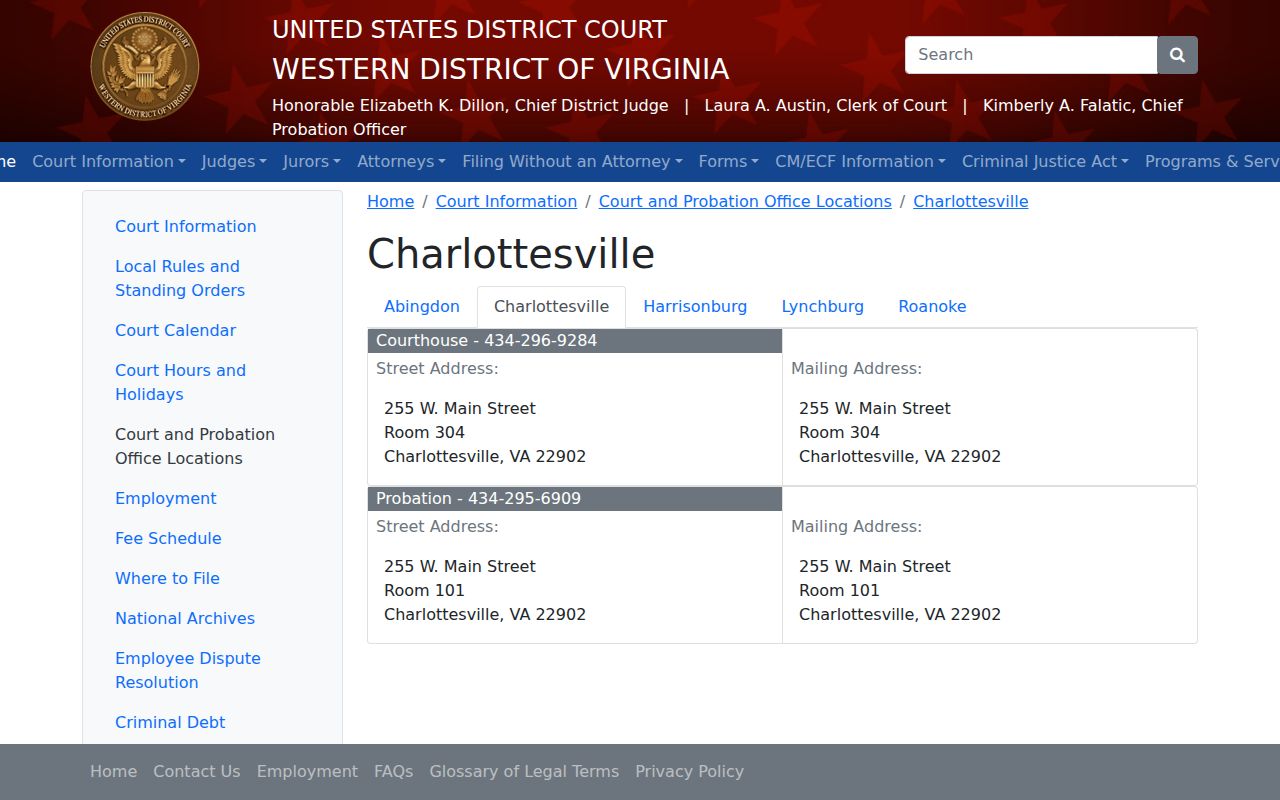
A federal matter belongs with federal counsel, the issuing court, or the U.S. Marshals Service, not a Culpeper County case clerk. PACER’s fee page explains federal docket charges and caps.
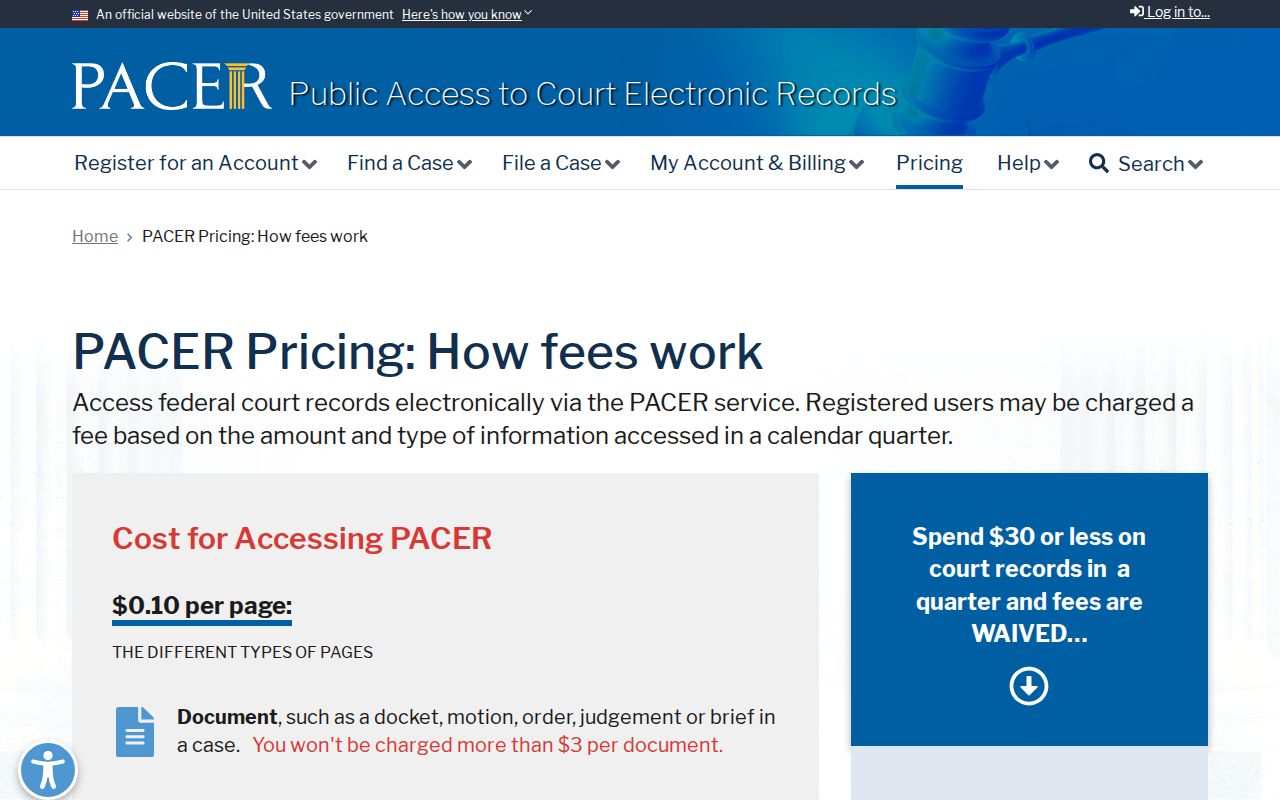
Even a docket search is no promise that a Culpeper County warrant is public or listed.
Culpeper County Arrest Warrants and Capias
A bench warrant grows out of a prior court duty. An arrest warrant starts with an alleged offense and probable cause. Both papers can authorize custody in Culpeper County, so read the document title and the underlying case instead of guessing from the word warrant alone. Virginia’s DC-331 surety form, DC-311 complaint, and court docket each mark a different stage. A capias can bring a person back to court or settle a surety matter. It is not the initial complaint. The clerk identifies the file; a judge or magistrate decides release or recall.
Handling an Arrest Warrant in Your Name
Call first. The court that holds the case can tell you what process is on file, whether a lawyer should file a motion, and where an appearance or bond decision belongs. A lawyer can also read the warrant paper and set up a lawful next step. Culpeper County publishes no walk-through process, so plan the surrender with counsel. Before you go anywhere, gather the case number, court, charge, date, and any summons or release paper. Never send money or personal details to a caller you have not verified. If the court points you to the magistrate, sheriff, or jail, ask each office about its location, hours, and identification rules. Also ask what bond type applies and what happens when you arrive, so the trip to Culpeper County holds no surprises.
Do not approach a person or rely on a social post. Confirm your own case through the official court, counsel, or service agency.
For the local court contact chain, use the Culpeper County warrant overview.